
How to Pick the Right Grass for Your Yard and Climate
Choosing grass types for sod installation starts with knowing your climate, how you use your yard, and how much care you want to give it. Some grasses handle heat better. Others stay green in cooler weather. The right pick will grow faster, look fuller, and last longer. If you match the grass to your soil and sun levels, your lawn will be easier to manage from day one.
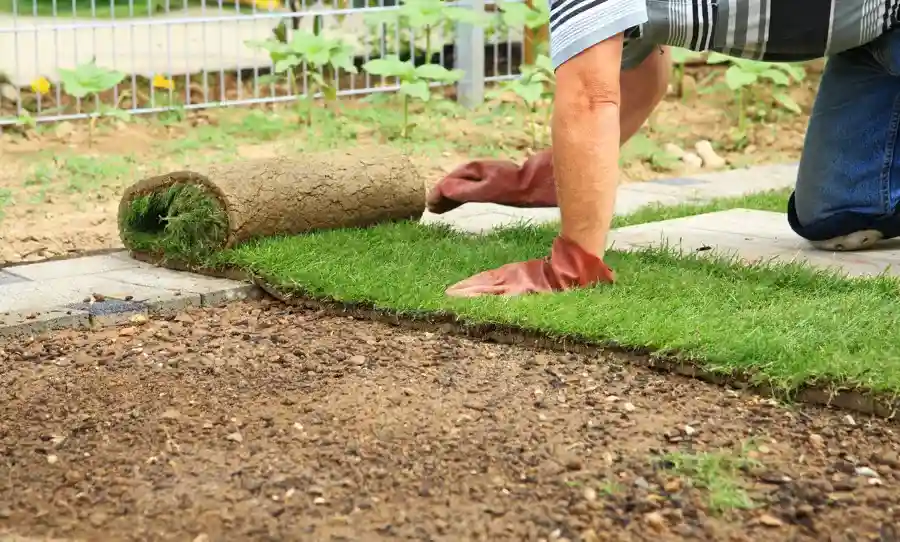
What You Need to Know Before You Start
Before scheduling sod installation, take a close look at your yard. Grass is not one-size-fits-all. The same sod that works for your neighbor may fail in your space.
Here is what to check first:
- How many hours of direct sun the lawn gets each day
- Your climate zone and average summer heat
- How cold winters get
- Soil type, such as sandy, clay, or loamy
- How much foot traffic the yard will see
- How often you want to water and mow
Warm-season grasses, like bermuda or zoysia, grow best in hot climates. Cool-season grasses, like fescue or bluegrass, prefer mild summers and cold winters. Picking the wrong type can lead to thin patches and extra work.
Step-by-Step Guide to Choosing the Right Grass
Follow these steps to narrow down your options before sod installation.
- Identify your climate type. Warm or cool climate makes the biggest difference.
- Measure your sunlight. Full sun areas need heat-tolerant grass. Shady yards need shade-friendly blends.
- Test your soil. A simple soil test shows pH and nutrient levels.
- Think about lawn use. Kids and pets need durable grass that recovers fast.
- Balance looks with upkeep. Some grasses look lush but need more mowing and water.
If you live in a hot area with full sun, bermuda grass may be a strong choice. If your yard has partial shade, tall fescue often performs better. For a soft, dense look in cooler regions, kentucky bluegrass is popular.
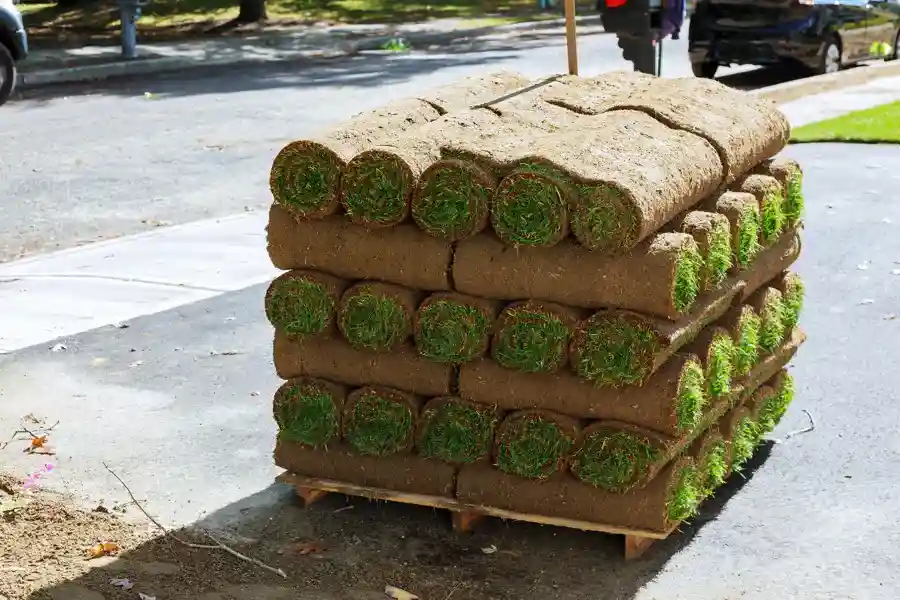
Common Mistakes to Avoid
Many lawn problems start with picking grass based only on appearance. A grass that looks great in photos may struggle in your soil or weather.
Avoid these common mistakes:
- Choosing grass without checking sun exposure
- Ignoring water needs during dry months
- Skipping soil prep before sod installation
- Picking one type when a blended sod would work better
- Not planning for future tree growth and added shade
Another mistake is rushing the prep work. Even the best grass type will fail if the ground is not graded and enriched properly. Good prep creates strong roots.
When to Call a Professional
If you are unsure about soil quality or drainage, it helps to bring in a lawn expert. Sloped yards, compacted clay soil, or areas with standing water need special planning. A professional can suggest the right grass and handle grading, soil amendments, and proper sod installation.
This is also helpful if your project connects to a larger landscaping plan. For example, adding irrigation, garden beds, or hardscape features may affect grass choice. A clear plan prevents rework later.
Final Recommendation and Local Help
If you are planning sod installation in Orillia, ON, I can help you choose the grass that fits your yard and your goals. At Mavericks Property Maintenance Ltd, I look at sun, soil, and how you use your space before making a recommendation. Call (226) 785-4874 to talk through your project and find the grass type that will grow strong and last for years.